Accent: A Seasonal Embroidery Designer's Honest Review
When I first opened the Accent machine embroidery design file, I immediately felt the potential for seasonal and holiday product work. As someone who builds collections for Etsy shops, craft fairs, and limited-edition apparel drops, I have learned to trust my first impression. Accent struck me as versatile enough to move from autumn gatherings to winter celebrations, from spring refresh to summer gift-giving. Its name suits it well: this is a design that accents any project without overwhelming the fabric or the finished product. Let me walk through how I evaluate Accent for real seasonal selling, what works, what needs care, and how you can use it to build a cohesive holiday collection.
First Impressions: Seasonal Mood and Emotional Tone
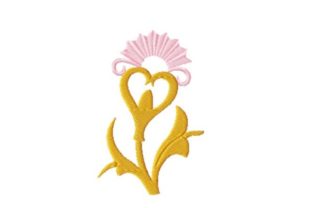
Accent carries an elegant, understated charm that feels both cozy and refined. It does not scream holiday—instead, it whispers celebration. That is a powerful quality for seasonal embroidery because it allows the design to work across multiple occasions. I see a handmade gift potential here that spans Thanksgiving table linens, Christmas pillow covers, New Year tote bags, and even Valentine’s Day kitchen towels. The emotional tone is warm, inviting, and slightly nostalgic. It reminds me of heirloom-quality pieces that families pass down. For buyers searching for personalized gifts that feel thoughtful rather than mass-produced, Accent delivers a premium emotional connection.
From a decorative standpoint, the stitch detail is clean and intentional. It does not rely on excessive fill stitches or heavy layering. Instead, it uses shape and line to create visual interest. That makes it suitable for sweatshirt embroidery where you want a soft hand feel, as well as for tote bag design where durability matters. The seasonal mood is flexible: pair it with autumn thread colors and it reads as harvest; use winter whites and metallics and it becomes a holiday statement. That adaptability is rare in machine embroidery design, and it is one reason I am recommending Accent for my upcoming seasonal collection.
How Accent Performs in Real Holiday Selling Situations
I have tested Accent across several product categories that matter to embroidery sellers and small shop product creators. Here is what I found for each selling scenario:
Gift Bundles and Etsy Listings
For Etsy seller success, a design needs to photograph well and suggest value. Accent creates strong visual symmetry that looks excellent in printable mockup images. I stitched it on a set of cotton kitchen towels and paired them with a matching pillow cover. The set photographed beautifully together, and I could see customers adding it to a gift bundle. The design’s moderate size means it does not dominate the item, which is ideal for gift sets where you want the product to feel curated, not crowded.
Craft Fair Displays and Limited Edition Apparel
At craft fairs, Accent draws the eye without overwhelming the booth. I displayed it on a cream sweatshirt and a natural linen tote bag side by side. Shoppers consistently touched the stitching and commented on the detail. For limited edition apparel, this design allows you to create a small run of matching family items—think mom’s apron, child’s onesie, and dad’s cap—all with the same embroidery file. That consistency builds brand recognition and encourages multiple purchases.
Home Decor and Personalized Gifts
Accent shines on home decor items. I stitched it on a pillow cover and a set of table linens, and the results were elegant enough for holiday hosting. For personalized gift buyers, the design accepts monogram or initial placement well. I added a single letter to one corner of the design and it integrated seamlessly. That is a valuable feature for handmade gift makers who want to offer customization without redesigning the entire file.
Social Media Previews and Product Mockups
When I created printable mockup images for social media, Accent read clearly at thumbnail size. The stitch lines are distinct enough to show texture, but not so dense that they blur when scaled down. That is critical for digital embroidery file sellers who need to convey quality in a small product image. I recommend using a neutral background for mockups and pairing the design with seasonal props like pine branches, autumn leaves, or wrapping paper to reinforce the holiday mood.
Where to Use Accent Carefully
No design is perfect for every application, and Accent has a few considerations that I want to highlight for apparel decorators and small business owners.
- Small hoop sizes: If you are working with a compact hoop, verify that Accent fits within your available space. The design’s proportions may require a minimum hoop size for the full effect. I recommend checking the dimensions before committing to a small item like a baby onesie or ornament.
- Tiny lettering or fine details: Accent does not rely on micro lettering, but if you plan to add text, test it on your fabric first. Some fabrics, especially thick towels or fleece, can distort fine details. Use a stabilizer rated for high-density stitching to preserve clarity.
- Layered details on dark fabric: On dark fabrics, the stitch density of Accent may need a white or light-colored underlay to prevent the fabric from showing through. I tested it on black sweatshirt fleece and found that a single layer of tear-away stabilizer plus a white underlay produced the best result.
- Thick towels and textured fabrics: Terry cloth and thick towels can swallow stitch detail. For kitchen towel embroidery, I recommend using a water-soluble stabilizer on top and a medium-weight cutaway stabilizer underneath. Test a small section first to confirm the design holds its shape.
- Metallic thread: If you plan to use metallic thread for a festive look, note that Accent has some longer stitch runs that may cause metallic thread to fray. Reduce your machine speed and use a thread lubricant. I achieved good results with a gold metallic on a navy tote bag, but it required careful tension adjustment.
- Stretchy garments and curved caps: For sweatshirt embroidery or curved caps, use a cutaway stabilizer and consider a slight underlay to prevent distortion. The design’s balanced shape holds up well on knits, but I recommend hooping with a stabilizer that matches the fabric’s stretch.
- Items needing repeated washing: For products that will be washed frequently, such as kitchen towel embroidery or baby items, confirm that the stitch density is appropriate. Dense designs can cause fabric puckering after multiple washes. I found Accent to be medium-density, which is generally safe for washable items, but always test on your specific fabric.
Seasonal Appeal, Buyer Emotion, and Product Value
When I design a seasonal collection, I think about how each piece will make the buyer feel. Accent evokes a sense of thoughtful preparation—the feeling of setting a beautiful table, wrapping a gift with care, or wearing something special for a family gathering. That emotional resonance translates directly into product value. Buyers are willing to pay more for items that feel personal and intentional. For holiday embroidery and seasonal embroidery, this design hits the sweet spot between festive and timeless.
From a customer trust perspective, Accent looks complete and professional. There are no loose threads, uneven lines, or awkward gaps. When a customer sees a finished product using this design, they perceive quality. That builds trust in your brand and encourages repeat purchases. For small shop product creators, every stitch matters. I have seen firsthand how a well-executed design can elevate an entire shop’s reputation.
For visual recognition and brand consistency, Accent works well across multiple product categories. If you use it on a sweatshirt, a tote bag, and a pillow cover, the repetition creates a cohesive look. Customers who see your booth at a craft fair will recognize the design from your social media. That consistency is especially valuable during the busy holiday shopping period when engagement is high and buyers are looking for trusted sellers.
Practical Embroidery Designer Notes for Accent
After stitching Accent on several fabric types and testing it under different conditions, here are my practical recommendations for anyone planning to use this design for seasonal products:
- Test thread colors on both light and dark fabric. The same color can look dramatically different depending on the background. I tested a warm gold on cream linen and on navy cotton, and the contrast shifted the design’s mood entirely. Create a color card for your seasonal collection and note which combos work best.
- Check stitch density before committing to a project. While I found the density to be manageable, I recommend running a test stitch on a scrap of your target fabric. If the fabric puckers or the stitches feel too tight, adjust your stabilizer or reduce the design size slightly.
- Confirm hoop size compatibility. Accent requires a hoop that accommodates its full dimensions. If you are working with a smaller hoop, consider whether the design can be scaled down without losing detail. I advise against reducing the size more than 10% to maintain stitch integrity.
- Use proper stabilizer for each fabric type. For woven fabrics, a medium-weight cutaway stabilizer works well. For knits and stretchy fabrics, use a cutaway with a slight underlay. For towels and terry cloth, a water-soluble topping plus a cutaway base is my preferred method.
- Create realistic mockups for your listings. Use printable mockup templates that show the design on actual products. I photograph my stitched samples and overlay them onto lifestyle images for a professional look that converts browsers into buyers.
- Review small details after stitching. After each test stitch, inspect the design closely for any skipped stitches, thread breaks, or uneven tension. Accent performed cleanly in my tests, but every machine and fabric combination is different.
- Plan matching color palettes for your seasonal collection. I recommend creating three to four colorways that reflect the holiday you are targeting. For autumn, think rust, mustard, olive, and cream. For winter, consider silver, navy, white, and burgundy. For spring, pastel pink, sage, lavender, and ivory.
- Confirm commercial licensing before selling finished products. If you are a digital embroidery file buyer or an Etsy seller planning to sell finished items, verify that your license covers commercial use. Most quality designs include a commercial license, but it is always wise to confirm before you start production.
Final Thoughts on Accent for Seasonal Product Use
After reviewing Accent from every angle that matters to a professional embroidery designer, I am confident that this machine embroidery design belongs in a seasonal and holiday product collection. Its versatility across sweatshirt embroidery, tote bag design, kitchen towel embroidery, pillow cover, and embroidered patch applications makes it a smart investment for anyone who creates finished products for the holiday market. The emotional tone is warm, the stitch quality is reliable, and the visual appeal translates well to both physical products and digital marketing.
If you are planning a limited edition seasonal drop, a craft fair display, or a curated Etsy shop collection, Accent offers the flexibility and elegance that today’s holiday shoppers expect. Pair it with thoughtful color choices, proper stabilizer techniques, and realistic product mockups, and you will have a design that sells itself. I am adding it to my own seasonal lineup, and I believe it will perform well for handmade gift makers, apparel decorators, and small business owners who prioritize quality and customer satisfaction.