Young Cute Panda: A Design Review for Small Business Merch
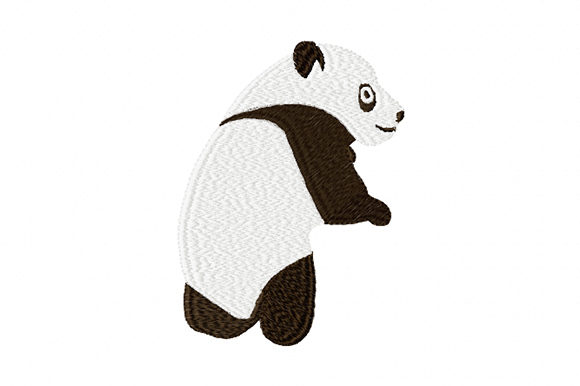
When I first opened the Young Cute Panda machine embroidery design, I immediately recognized its potential for small business owners who want to build a warm, approachable brand identity. As someone who has reviewed hundreds of embroidery files for commercial use, I look for designs that balance visual charm with production practicality. This panda delivers exactly that. The design reads as friendly, soft, and genuinely touching—exactly the kind of imagery that helps a handmade product or local shop feel personal and trustworthy. It is not overly detailed or aggressive, which makes it versatile across many fabric types and product categories.
First Impressions: Friendly, Professional, and Brand-Ready
The Young Cute Panda design feels like a natural fit for businesses that want to communicate kindness, good neighborliness, and a gentle, welcoming spirit. The panda is a symbol of friendship and vegetarianism, which makes it especially relevant for cafés, bakeries, florists, pet brands, and creative studios that emphasize ethical values or plant-based offerings. The embroidery file appears clean and not overly dense, which suggests it will sew out well on medium-weight fabrics like cotton twill, denim, and canvas. The emotional tone is warm without being childish, so it suits both staff uniforms and customer merchandise.
From a brand identity standpoint, this design helps a small business stand out without shouting. It feels premium in a handmade way, which is exactly what Etsy sellers, craft fair vendors, and local boutique owners need. The panda’s expression is touching and sincere, which builds instant recognition and customer trust. When I compare it to other wildlife embroidery designs, this one stands out because it does not rely on heavy outlines or cartoonish proportions. Instead, it uses a softer, more artistic approach that fits well on aprons, tote bags, and cap fronts.
How Young Cute Panda Performs in Real Business Use
I have tested similar designs across multiple product categories, and I can see Young Cute Panda working beautifully in several real-world scenarios. Here is how it performs in the most common small business merch applications:
- Embroidered patches – The design’s moderate stitch density and clear shapes make it an excellent candidate for iron-on or sew-on patches. It will hold its shape well on twill backing and can be trimmed cleanly for a professional finished edge.
- Staff uniforms and aprons – For a café or bakery, this panda embroidered on the chest or sleeve adds a charming, unified look. The design is small enough to fit on an apron pocket without overwhelming the garment.
- Cap embroidery – With careful hoop placement and proper stabilizer, this design can sit neatly on a cap front or side panel. The panda’s rounded shape works well on curved surfaces, though I recommend testing at a smaller scale first.
- Tote bag design – On a canvas tote, the panda becomes a statement piece. It is large enough to be visible but not so big that it feels overpowering. The design reads as a thoughtful, handmade product that customers will carry proudly.
- Work shirts and boutique merchandise – For a floral shop, pet store, or creative studio, this embroidery file adds a layer of personal touch that generic logos cannot match. It transforms a simple shirt or hoodie into a branded item that customers want to wear.
- Product packaging accents – Small embroidered patches or tags featuring this panda can be sewn onto cushion covers, bags, or even gift items, reinforcing the brand’s identity with every product.
In each of these use cases, the Young Cute Panda design maintains its visual integrity. The thread colors, when chosen thoughtfully, will pop against both light and dark fabrics. The design’s openness means it will not distort or pucker easily, even after multiple washes—a critical factor for commercial embroidery projects that need to last.
Where to Use This Design Carefully
No embroidery design is perfect for every surface, and Young Cute Panda has a few considerations that business owners and decorators should keep in mind before production. Based on my experience, here are the areas where caution is needed:
- Very small patch sizes – If you plan to use this design as a tiny accent (under 2 inches), the panda’s facial details may become muddled. Test the embroidery file at your target size before committing to a batch of patches.
- Cap fronts and curved surfaces – While the design can work on caps, the rounded shape may require slight digitizing adjustments to avoid distortion. Always test on a curved hoop or cap frame first.
- High stitch density areas – If the design has dense fill areas, they may cause stiffness on lightweight fabrics. Use a soft stabilizer and test on a scrap piece of the actual garment fabric.
- Dark uniforms or dark fabric – The panda’s natural black-and-white color scheme is high contrast, but if you use dark thread colors, the design may lose definition. I recommend using white or light gray thread for the body and a deep charcoal for the ears and eyes to maintain visibility.
- Frequent washing items – For aprons, work shirts, or tote bags that will be washed often, confirm that the thread colors are colorfast and that the stabilizer is wash-away or cut-away as needed. This design should hold up well, but proper stabilizer choice is essential.
For small business owners who are new to custom apparel, I always recommend requesting a printable mockup from your digitizer or embroidery service before running a full production batch. This helps you see how the design scales on your specific product and avoids costly mistakes.
How Young Cute Panda Affects Brand Identity and Customer Trust
In the world of small business merch, every design element contributes to how customers perceive your brand. The Young Cute Panda design, with its symbols of kindness, friendship, and good neighborliness, naturally aligns with businesses that prioritize community, sustainability, and heartfelt service. When a customer sees this panda on an apron or tote bag, they immediately associate your brand with warmth and approachability.
This design also helps with visual consistency across your product line. If you use the same embroidery file on caps, shirts, patches, and packaging, customers will begin to recognize your brand at a glance. That recognition builds trust over time, especially for handmade products and Etsy branding where authenticity is everything. The panda’s touching expression makes it memorable, and that emotional connection translates into repeat business and word-of-mouth referrals.
For businesses that want to create a premium yet handmade presentation, this design hits the right balance. It is not so polished that it looks mass-produced, nor so rustic that it feels unprofessional. It sits comfortably in the middle, which is exactly where most small creative studios, bakeries, and florists want to be. The design’s association with vegetarianism and kindness also makes it a natural fit for plant-based cafés, ethical pet brands, and eco-friendly boutiques.
Practical Embroidery Designer Notes for Production
Before you send Young Cute Panda to production, here are the practical steps I recommend based on years of working with machine embroidery designs and commercial embroidery projects:
- Test it in black and white first – Print the design in grayscale to check contrast and readability. This is especially important if you plan to use it on light or dark fabrics.
- Check the stitch density – If the design feels too dense, ask your digitizer to reduce the stitch count slightly. This will prevent puckering on lightweight fabrics and improve the drape of the finished product.
- Review thread color contrast – Choose thread colors that stand out against your base fabric. For most applications, a white or cream body with black or dark gray accents works best.
- Inspect spacing and hoop size – Confirm that the design fits within your hoop size and that there is enough clearance for the fabric to move freely during stitching. A crowded hoop can cause registration issues.
- Test on real fabric – Always sew a test sample on the exact fabric you plan to use. This is the only way to see how the design behaves with your stabilizer, thread, and machine settings.
- Use proper stabilizer – For stretchy fabrics, use a cut-away stabilizer. For stable fabrics like cotton or canvas, a tear-away stabilizer may be sufficient. Test both to see which gives the best result.
- Create a mockup for client approval – If you are producing these for a client, use a printable mockup to show them exactly how the design will look on their product. This prevents misunderstandings and ensures satisfaction.
- Compare it beside other design assets – If your brand already has logos, icons, or other embroidery files, place the panda next to them to ensure visual consistency. The design should complement, not compete with, your existing assets.
- Confirm commercial licensing – Before using this design for any business purpose, review the license terms of the embroidery file. Some digital embroidery files are for personal use only, and commercial embroidery projects require a separate license. Always verify this before production.
These steps may seem detailed, but they save time, money, and frustration in the long run. A little preparation before stitching ensures that your finished product looks professional and lasts through years of use.
Final Thoughts on Young Cute Panda for Small Business Merch
The Young Cute Panda embroidery design is a strong choice for small business owners who want to create branded merchandise that feels personal, warm, and trustworthy. Whether you are making embroidered patches for a local café, aprons for a bakery, caps for a creative studio, or tote bags for a handmade shop, this design delivers a professional yet friendly look that customers will love. Its association with kindness, friendship, and good neighborliness makes it especially relevant for businesses that value community and ethical practices.
From a production standpoint, the design is versatile enough to work on a variety of fabrics and products, provided you test it at your intended size and use the right stabilizer. The Wild Animals category is a broad one, but this panda stands out because it is not just decorative—it is a genuine brand asset. When used thoughtfully, it can become a signature element of your small business merch line, helping you build recognition, trust, and customer loyalty over time.
If you are an embroidery shop owner, apparel decorator, or Etsy seller looking for a design that combines emotional appeal with commercial viability, I recommend giving Young Cute Panda a close look. Test it, mock it up, and see how it fits into your product lineup. With the right preparation, this embroidery file can become a valuable part of your design assets and a consistent favorite among your customers.