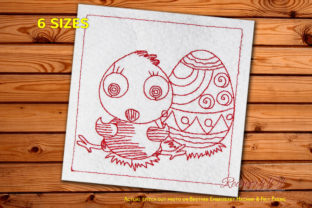
Cute Chick Easter Egg Redwork
First Impressions: A Classic Redwork Design with Spring Appeal
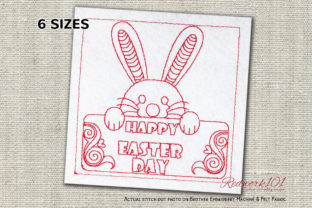
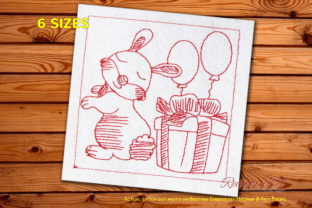
As an embroidery designer who has spent countless weekends behind a sewing machine and a craft fair booth, I have developed a sixth sense for what truly sells. When I opened the Cute Chick Easter Egg Redwork file, my first thought was clarity. In the world of machine embroidery design, clarity is king. This design delivers a bold, recognizable silhouette that immediately reads as cute, festive, and approachable. The redwork technique gives it a timeless, farmhouse aesthetic that elevates it beyond a simple cartoon. It feels both vintage and fresh at the same time.
For a craft fair product, first impressions are everything. A customer walking past your booth needs to understand what they are looking at in under three seconds. The Cute Chick Easter Egg Redwork passes this test with flying colors. The high contrast of the red thread against a natural or white background makes it pop. It does not get lost in a sea of other products. This is a critical advantage for any handmade product competing for attention in a busy market.
Product Line Potential: From Tote Bags to Tea Towels
One of the most important questions I ask myself when reviewing a new digital embroidery file is, "How many different products can I build with this?" The versatility of the Cute Chick Easter Egg Redwork is impressive. Here is how I would deploy it across my spring product line:
- Tote Bag Design: This is a natural home. The line art of the chick and egg looks stunning on a heavy 10oz or 12oz canvas tote. It stitches out quickly, which means higher profit margins per unit. The single-color redwork creates a very "modern farmhouse" look that is incredibly popular right now.
- Tea Towel Embroidery: Redwork was practically invented for tea towels. The design is perfectly scaled for a border or a centered focal point. A set of three redwork tea towels with different spring motifs, including this one, makes a high-value gift set that any Etsy seller would be proud to list.
- Apron Embroidery: Whether it is a full bib apron or a half-apron, this design adds a delightful touch of spring. It works well on the chest panel or the lower hem. I would pair it with a rustic apron in a natural linen or cotton twill.
- Embroidered Patch: Because the design relies on strong lines rather than dense fills, it makes an excellent iron-on or sew-on patch. This is a low-cost, high-margin item for your booth. Kids love them, and they are easy to produce in bulk.
- Pillow Covers & Pouches: For home decor, a small lumbar pillow or a fabric pouch with this design feels intentional and handmade. It appeals to the customer looking for unique seasonal decor.
- Caps & Beanies: This is a slightly trickier application, but the line art format helps it conform to curved surfaces better than a solid fill design. Just be careful with placement.
By creating a cohesive line of finished products, you signal to your customer that you are a specialist. This builds brand consistency and encourages larger purchases.
The Production Reality: Stitch Density, Hoop Size, and Batch Runs
Let’s talk about the practical side of making money with this design. As a commercial embroidery operator, I am always looking at the technical details. The Cute Chick Easter Egg Redwork is a relatively simple design, but that simplicity is its superpower.
Stitch density is low to medium, which is typical for redwork. This means less thread usage, less tension on the fabric, and faster sew-out times. If you are producing 50 tea towels for a weekend market, those saved minutes add up to real dollars. You can run this design efficiently on a single-needle home machine or a multi-needle commercial machine.
You must confirm the hoop size before you start production. Since the description notes it comes with multiple embroidery file formats, you should be able to find a size that works for your specific machine. I recommend checking the dimensions to ensure it fits your standard 4x4 or 5x7 hoop. A design that is too large for your primary hoop will limit your product base.
Regarding thread colors, the beauty of redwork is that it is a single-color design. However, the shade of red you choose matters. A bright cherry red gives a bold, classic look. A deep brick or terracotta red leans into the vintage farmhouse aesthetic. I always recommend stitching a test sample on your chosen fabric to see how the thread interacts with the fabric texture.
Your choice of stabilizer is crucial. For a cotton tea towel, a medium-weight tear-away or a wash-away stabilizer is ideal. For a structured tote bag, a cut-away stabilizer will provide the necessary durability to prevent the stitches from distorting over time. Always test on a scrap piece of your actual product fabric first.
Etsy Listings and Booth Displays: The Power of Contrast
A design that looks good in the hoop must also look good on a screen. High-contrast designs sell better online because they photograph well. The Cute Chick Easter Egg Redwork is a photographer’s dream. The red lines on a light background immediately catch the eye, even in a thumbnail image.
For your Etsy seller journey, this makes creating a printable mockup incredibly easy. You can take a photo of a plain tote bag and use a simple mockup generator to overlay the design. This gives you a professional listing image without needing to sew a dozen samples first. The strong visual identity of this design will increase your click-through rates and conversions.
In your physical booth, use this design as a "hero" product. Place a beautifully embroidered apron or tote bag at eye level. The contrast will draw customers from across the aisle. Pair it with other spring-themed items, but let the Cute Chick Easter Egg Redwork be the anchor of your display. This creates a cohesive visual story that feels curated and professional.
Target Audience: Who Buys This Design?
Understanding the buyer is half the battle in the small shop product game. The Cute Chick Easter Egg Redwork has a surprisingly wide appeal. It sits at the intersection of several profitable niches.
- The Grandma Shopper: She is looking for unique, high-quality gifts for her grandchildren. A redwork towel or a personalized tote bag feels special and handmade. The "cute" factor is a huge draw.
- The Farmhouse Decor Enthusiast: This customer loves the redwork aesthetic. For them, it is not just a cute chick; it is a piece of functional art that fits their rustic home decor style. They are likely to buy the pillow cover and the tea towel together.
- The Young Mom: She appreciates cute, simple designs that are not overly commercial. She might buy an embroidered patch to sew on a jacket or a backpack for her child.
- The Gift Giver: This customer is looking for a hostess gift, a spring housewarming present, or an Easter basket filler. The high perceived value of hand embroidery makes the handmade product feel premium.
By targeting these specific demographics in your marketing and booth signage, you can maximize the return on investment for this single design.
Critical Design Notes and Production Checklist
Before you start your production run for the next craft fair, here is my official designer checklist. These are the steps I take with every new machine embroidery design before I consider it market-ready.
- Test on Scrap Fabric: Always stitch the design on a piece of fabric that matches your final product. Check the thread tension, stitch density, and registration. The lines should be crisp and clean.
- Check the Details: Look at the smallest elements of the design, such as the chick’s eye or beak. If you scale the design down for a cap or a small patch, ensure these details do not get lost or become too dense.
- Consider Fabric Texture: This design works best on smooth or medium-textured fabrics like cotton, linen, canvas, and twill. On highly textured fabrics like thick terry cloth, the delicate lines of the redwork might sink into the fabric and lose clarity.
- Respect the "Redwork" Rule: This is a redwork design, which means it is designed for high contrast on light fabrics. Using it on dark fabric will render the red thread invisible. If you must use a dark fabric, consider using a different thread color, but understand that it changes the entire aesthetic.
- Confirm Commercial Licensing: The description states that the design comes with multiple formats and can be used in multiple machines. However, you must verify the specific commercial licensing terms attached to this digital embroidery file before you sell the finished product. Some licenses require a separate fee for mass production.
- Create a Real Mockup: Digital mockups are great for online sales, but a physical mockup is essential for your booth. Customers love to touch the stitches and see the texture. It builds trust and perceived value.
Final Verdict: A Smart Asset for Spring Markets
The Cute Chick Easter Egg Redwork is more than just a pretty design. It is a viable business asset. It checks all the boxes for a successful craft fair product: it is visually appealing, quick to produce, versatile across multiple product lines, and it photographs beautifully for online sales. Whether you are a seasoned boutique maker or a creative entrepreneur just starting your journey, this design offers a fantastic opportunity to capture the joy of the spring season. It is a classic, timeless piece that will resonate with your customers and keep them coming back to your booth year after year. I highly recommend adding it to your production lineup for the upcoming market season.