Painted Finch: A Seasonal Embroidery Designer's Review
As an embroidery designer who has spent years building seasonal collections for Etsy shops, craft fairs, and limited-edition apparel drops, I've learned to look at a new machine embroidery design with a mix of excitement and practical caution. When I first opened the Painted Finch embroidery file, I immediately began evaluating its potential for holiday and seasonal product use. This review reflects my real decision-making process before adding any design to a shop collection.
First Impressions and Seasonal Mood
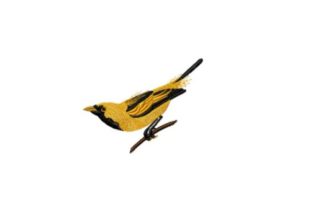
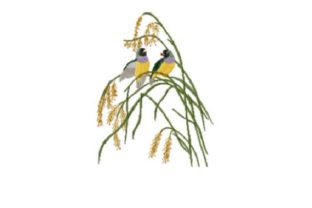
The Painted Finch carries a quiet, natural elegance that feels both nostalgic and fresh. The bird's posture and the flow of the design suggest a rustic charm that works beautifully across multiple seasons. For a holiday embroidery collection, I find this design offers a versatile emotional tone: it is cozy enough for autumn and winter, yet light and airy enough for spring. It does not scream a specific holiday, which makes it a strong candidate for gift bundles, family matching items, and personalized gift projects that need to feel timeless rather than tied to a single date on the calendar.
The decorative style leans toward premium and artistic rather than playful or cartoonish. The level of detail suggests a finished product that will look elegant on a sweatshirt embroidery or a tote bag design, but it is not so intricate that it becomes overwhelming for a small shop product. The Painted Finch feels like a design that could anchor a seasonal collection, providing a consistent visual thread across kitchen towel embroidery, pillow cover projects, and even embroidered patch items.
Real Holiday Selling Scenarios for Painted Finch
When I review a design for seasonal use, I imagine the actual selling situations my customers will face. Here is how the Painted Finch performs across several real holiday scenarios:
- Etsy listings and gift bundles: The design's natural theme makes it easy to pair with complementary items like linen towels, wooden spoons, or nature-themed accessories. I can see an Etsy seller creating a "Winter Bird Gift Set" featuring the Painted Finch on a flour sack towel and a matching tote. The design's visual recognition helps build brand consistency across a shop's seasonal offerings.
- Craft fair displays and limited edition apparel: For a small shop product at a holiday market, the Painted Finch on a cream or oatmeal sweatshirt would draw customers who appreciate understated elegance. It does not rely on holiday clichés, so it feels fresh and intentional. The design's stitch density and thread colors should be tested on light fabric to ensure the finch's details pop without overwhelming the garment.
- Home decor and family matching items: The Painted Finch works well on pillow cover projects, table linens, and even baby items like bibs or receiving blankets. For a family matching set, you could embroider the design on adult aprons and children's t-shirts, using the same embroidery file scaled to different hoop sizes. This creates a cohesive look that feels personal and gift-ready.
- Social media previews and product mockups: The design's clean lines and natural subject matter photograph well. When creating a printable mockup for a new product listing, the Painted Finch reads clearly on both light and medium-toned fabrics. I recommend creating a few mockups showing the design on a tote bag, a kitchen towel, and a sweatshirt to give customers a clear vision of the finished product.
Where to Use the Painted Finch Carefully
No design is perfect for every application, and the Painted Finch requires some thoughtful placement. Here are the areas where I advise caution based on my experience with similar machine embroidery design files:
- Small hoop sizes and tight spaces: If you plan to use this design on a tiny baby onesie or a small patch, verify the minimum hoop size before stitching. The finch's details, especially around the beak and wing markings, may lose clarity in a very small hoop. I always recommend stitching a test sample on scrap fabric before committing to a batch of finished products.
- Thick towels and layered details: Kitchen towel embroidery is a popular holiday item, but thick terry towels can swallow fine details. The Painted Finch has a moderate stitch density, so use a stabilizer designed for pile fabrics. Test a single stitch-out on the exact towel you plan to sell to ensure the fabric texture does not distort the design.
- Dark fabric and metallic thread: The design's original thread colors likely work best on light to medium backgrounds. On dark fabric, the finch may lose its subtle shading unless you adjust thread colors to include a lighter outline or contrast layer. Similarly, metallic thread can change the stitch density and may cause skipped stitches; I recommend testing with a standard polyester thread first.
- Stretchy garments and curved caps: For sweatshirt embroidery on stretchy fabrics, use a cutaway stabilizer to prevent distortion. The Painted Finch is not overly dense, but any design can pull or pucker on knits if not properly stabilized. For curved caps, the design's shape should be tested on a practice cap to confirm the finch aligns well with the curve of the crown.
- Items needing repeated washing: If you plan to sell finished products like kitchen towels, tote bags, or baby items that will be washed frequently, advise your customers to turn the item inside out and use a gentle cycle. The Painted Finch uses a standard stitch count, but proper care extends the life of any embroidered patch or apparel design.
Seasonal Appeal, Buyer Emotion, and Product Value
The Painted Finch taps into a specific emotional space during the holiday shopping season. Buyers looking for a handmade gift often want something that feels personal, thoughtful, and not mass-produced. This design delivers that sentiment naturally. Its connection to Birds and nature evokes a sense of calm and warmth, which is especially appealing during the busy holiday period.
From a product value perspective, the Painted Finch elevates simple blanks into premium offerings. A plain tote bag becomes a conversation piece. A basic sweatshirt becomes a wearable art item. This perceived value allows Etsy seller and small shop product owners to price their finished items higher than generic holiday designs. The design's versatility also means you can create multiple product variations from a single digital embroidery file, maximizing your inventory without needing to purchase new designs.
Customer trust and engagement increase when buyers see consistent, high-quality embroidery across your shop. The Painted Finch has a distinctive look that helps build a recognizable brand identity. If you use it as part of a seasonal collection, repeat customers will begin to associate your shop with that particular aesthetic. This is especially valuable during holiday shopping periods when shoppers are overwhelmed with options and gravitate toward sellers they trust.
Practical Embroidery Designer Notes
Before adding the Painted Finch to your seasonal collection, here are the practical steps I always follow:
- Test thread colors on both light and dark fabric. The design's original palette likely includes earthy tones and soft neutrals. Stitch a sample on white, cream, and a medium gray fabric to see how the colors shift. Adjust if needed to maintain contrast.
- Check stitch density and hoop size. Verify that the embroidery file matches your machine's format and that the stitch density is appropriate for your intended fabric. A design that works on a tea towel may not work on a delicate blouse.
- Use proper stabilizer for each project. For tote bag design projects, a medium-weight tearaway may suffice. For sweatshirt embroidery, use a cutaway stabilizer to ensure the design stays crisp after multiple wears.
- Create realistic mockups for your listings. Use a printable mockup tool to show the Painted Finch on actual product shapes. This helps customers visualize the finished product and reduces return rates.
- Review small details after stitching. Examine the finch's eye, beak, and wing lines under good light. If any details appear muddy or lost, consider simplifying the design or increasing the stitch density in those areas.
- Plan matching color palettes for your collection. Choose thread colors that complement each other across all items in your seasonal line. This creates a cohesive look that appeals to buyers looking for gift bundles or matching family sets.
- Confirm commercial licensing before selling. Review the license terms for the Painted Finch design to ensure you have the right to sell finished products. This step protects your business and builds trust with your customers.
Final Thoughts on Painted Finch for Holiday Products
The Painted Finch is a solid addition to any seasonal embroidery collection. Its natural, elegant mood suits a wide range of holiday products, from kitchen towel embroidery to pillow cover projects, and its versatility allows for creative product bundling and gift-ready presentations. By testing the design on your specific fabrics, using proper stabilizer, and creating thoughtful mockups, you can build a seasonal collection that feels cohesive, premium, and appealing to holiday shoppers. I recommend this design for Etsy seller and small shop product creators who want to offer something that feels both artistic and commercially viable.