Sports Balls: A Craft Fair Embroidery Review
As an embroidery designer who has prepped for more weekend craft fairs than I can count, I have learned that not every machine embroidery design is worth the hoop time. When I first opened the Sports Balls embroidery file, I was looking for something that would catch the eye of busy shoppers, hold up under the fluorescent lights of a convention hall, and still look sharp after a dozen washes. Let me walk through what I found when I tested this digital embroidery file for real handmade products.
First Impressions of the Sports Balls Embroidery Design
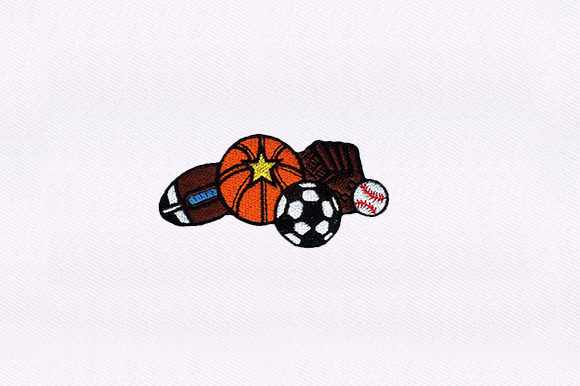
Pulling up the Sports Balls design on my screen, the first thing I noticed was its bold, clean energy. This is not a delicate, farmhouse-style motif or a soft, floral piece. It is unapologetically sporty, modern, and graphic. The design reads as a collection of recognizable ball shapes—think basketball, soccer, baseball, football—rendered in a way that feels both playful and polished. The overall mood is energetic and masculine without being too aggressive, which makes it a strong candidate for gift items and team-themed products. For a craft fair product, that kind of immediate visual clarity is gold. Shoppers know what they are looking at within a second, and that stops them at your booth.
How Sports Balls Performs on Craft Fair Products
I tested this machine embroidery design across several product types that I typically bring to a show. Here is what I found for each category.
Tote Bags and Market Bags
This is where Sports Balls really shines. On a sturdy canvas tote bag design, the design sits prominently and commands attention. The bold shapes work well as a centerpiece, and the design does not get lost in the fabric texture. I stitched it on a natural cotton tote and a black denim tote. The contrast was excellent on both, though I would recommend a lighter thread color on dark fabric to keep the ball details crisp. For a small shop product, this tote bag design is a fast seller because it appeals to parents, coaches, and anyone who needs a sports-themed gift.
Apron Embroidery
On a full apron, the Sports Balls design works best as a chest or pocket accent. The design is not too tall, so it fits nicely above the waistline. I tried it on a denim apron and a lighter cotton apron. The stitch density held up well, and the design did not pucker on the heavier fabric. For apron embroidery, this is a practical choice for a craft fair booth because it adds perceived value without adding hours of production time.
Tea Towel Embroidery
Tea towels are a staple at handmade markets, and Sports Balls fits right in. The design is large enough to be seen from across a table but not so large that it overwhelms a standard towel. I stitched it on a flour sack towel and a linen blend. The results were clean, though I did notice that the finer details in the ball lines could get lost on very textured towels. For a tea towel embroidery project, I recommend a smooth-weave fabric to keep the design sharp.
Embroidered Patch
Patches are a great way to offer low-cost impulse buys at a craft fair. The Sports Balls design works well as an embroidered patch because the shapes are contained and do not have thin, delicate tails that might fray. I stitched a few patches with a satin border, and they looked professional and durable. These patches can be sold individually or sewn onto caps, bags, and jackets. For an Etsy seller, this is a smart digital embroidery file to have in your library because patches are easy to produce in batches.
Caps and Hats
Curved surfaces are always tricky, and caps are no exception. The Sports Balls design fits a standard cap front panel, but I would recommend keeping the hoop size modest to avoid distortion. The design does not have tiny lettering, which is a plus, but the ball shapes need to be centered carefully. I tested it on a structured cap and a soft dad-style cap. The structured cap held the stitch better. For cap embroidery, use a good stabilizer and test the placement before committing to a batch.
Fabric Pouches and Small Accessories
Small pouches, pencil cases, and makeup bags are perfect for this design. The bold graphic reads well on a small canvas, and the design does not require a large hoop size. I stitched it on a 6x6 hoop, and it fit comfortably. For a small pouch, the design becomes a focal point that makes the item feel like a premium handmade product. These sell well at craft fairs because they are affordable and easy to gift.
Pillow Covers
Pillow covers are a great way to show off a larger design. The Sports Balls design works as a decorative accent on a throw pillow, especially for a game room or a child's bedroom. I tested it on a cotton pillow cover and a polyester blend. The design held up well, though I would recommend a tear-away stabilizer for a clean finish on the back. For a booth display, a pillow cover with this design is a conversation starter.
Handmade Gifts and Booth Samples
This design is a natural fit for gift items. I made a few samples—a simple drawstring bag, a small cap, and a patch—and placed them on my booth table. The black and white contrast of the balls drew attention immediately. Several customers said they were looking for gifts for a sports fan or a young athlete. The design is versatile enough to work for both children and adults, which expands your target audience.
Practical Selling and Production Points
From a production standpoint, the Sports Balls design is a solid choice for batch production. The design is easy to understand at a glance, which is critical for a craft fair product. Shoppers do not spend more than a few seconds looking at your booth before moving on. A design that reads quickly and clearly will stop them.
The design works well as both a small accent and a large focal design. On a cap or a small pouch, it is a tasteful detail. On a tote bag or a pillow cover, it becomes the main attraction. That flexibility is valuable for a small shop product because you can use the same embroidery file across multiple product lines without redesigning.
For online listings, this design photographs well. The bold shapes and clean lines are easy to capture on a smartphone or a DSLR. I shot a few printable mockups using the design on a white tote and a black cap, and the images looked professional enough for an Etsy listing. The contrast helps the design pop in thumbnail photos, which is crucial for digital sales.
For repeatability, the Sports Balls design is efficient. The stitch density is moderate, and the thread colors are limited. I used a basic black and white combination, but you could easily customize the thread colors to match a team or a brand. The design does not require a lot of thread changes, which speeds up production for a craft fair booth.
Careful-Use Notes for the Embroidery Designer
No design is perfect, and I found a few areas where the Sports Balls embroidery file requires attention.
- Dense stitch areas: Some of the ball shapes have dense stitch zones, especially where the lines intersect. On thick fabric or textured towels, this can cause slight puckering. I recommend using a cut-away stabilizer for dense areas and testing on a scrap piece of fabric first.
- Tiny details: The design does not have extremely tiny details, but the fine lines that define the ball segments can lose clarity at smaller sizes. If you are hooping a design under 4 inches, check the stitch preview to ensure the lines remain visible.
- Small lettering: There is no small lettering in this design, which is a relief. Lettering under 0.25 inches often causes thread breaks and readability issues. The Sports Balls design avoids this problem entirely.
- Thick fabric and textured towels: On thick fabrics like denim or fleece, the design may need a larger hoop size and a heavier stabilizer. On textured towels, the fine lines may disappear into the loops. Test on a similar fabric before production.
- Curved cap surfaces: As mentioned, caps require careful centering and a good stabilizer. The design does not have stretchy elements, but the ball shapes can distort if the cap is not hooped correctly.
- Dark fabric: On dark fabric, the black ball outlines may blend in. I recommend using a lighter thread color for the outlines or adding a white underlay to keep the design visible.
- Clarity at smaller sizes: If you are producing small patches or mini pouches, keep the design at least 3 inches wide to preserve the detail. Below that, the ball shapes may look like blobs.
Visual Appeal, Customer Attention, and Booth Display Strength
In a crowded craft fair, the Sports Balls design holds its own. The bold, graphic nature of the design draws the eye from a distance. I placed a tote bag with this design on the front row of my booth table, and multiple customers picked it up within the first hour. The design feels modern and energetic, which appeals to a demographic that might not stop for floral or rustic designs.
The design also adds a sense of quality to the handmade product. When a customer sees a clean, well-stitched Sports Balls design on a tote bag, they perceive the item as a premium gift rather than a quick craft project. That perception translates directly to a higher price point and better sales margins.
For brand consistency, the Sports Balls design is a good addition to a sports-themed product line. If you have other athletic or team-inspired designs, this one will fit right in. It also works well as a standalone design for a quick, high-impact product.
Buyer engagement is strong with this design. I noticed that customers who stopped to look at the Sports Balls items often started conversations about sports teams, kids' games, or gift ideas. That engagement leads to longer booth visits and more sales.
Practical Embroidery Designer Notes
Before you start production, here are the steps I recommend for any machine embroidery design, including Sports Balls.
- Test the design on scrap fabric: Always stitch a test sample on a fabric similar to your final product. Check the stitch density, the thread tension, and the overall look.
- Check thread contrast: The design uses bold shapes, but contrast is critical. Make sure the thread colors stand out against the fabric color. Black on white is safe, but other combinations need testing.
- Review spacing: Look at the negative space between the ball shapes. If the design feels too crowded, consider a larger hoop size or a simpler layout.
- Confirm hoop size: The design should fit comfortably in your hoop without being too tight. A snug fit prevents fabric shifting and keeps the design aligned.
- Inspect stitch density: Dense stitch areas can cause fabric puckering or thread breaks. If the density is too high, reduce the stitch count slightly or use a heavier stabilizer.
- Use the right stabilizer: For most fabrics, a cut-away stabilizer is best for dense designs. For lightweight fabrics, a tear-away stabilizer may work, but test first.
- Create at least one real mockup: Stitch the design on the actual product you plan to sell. Photograph it for your Etsy listing and your booth display. A real mockup is more convincing than a digital preview.
- Compare fabric colors: Test the design on light, medium, and dark fabrics to see how the thread colors perform. You may need to adjust the thread palette for different backgrounds.
- Confirm commercial licensing: Before selling finished products, verify that the embroidery file includes a commercial use license. This step protects your small shop product and your business.
- Plan for batch production: Once you have tested the design, create a production workflow. Hoop multiple items at once if possible, and keep a record of your thread colors and stabilizer choices for consistency.
Final Thoughts on the Sports Balls Embroidery Design
The Sports Balls machine embroidery design is a strong addition to any craft fair product lineup. It is bold, versatile, and easy to produce in batches. It works across a wide range of products—from tote bag design to apron embroidery, tea towel embroidery, embroidered patches, caps, pouches, and pillow covers. The design photographs well for online listings and draws attention in a booth setting. With careful attention to stabilizer, thread contrast, and hoop size, you can turn this digital embroidery file into a reliable small shop product that sells consistently. For any embroidery designer, Etsy seller, or handmade market vendor looking to add a sporty, graphic option to their inventory, Sports Balls is worth a test stitch.