Fangtastic: A Design Review for Small Business Merch
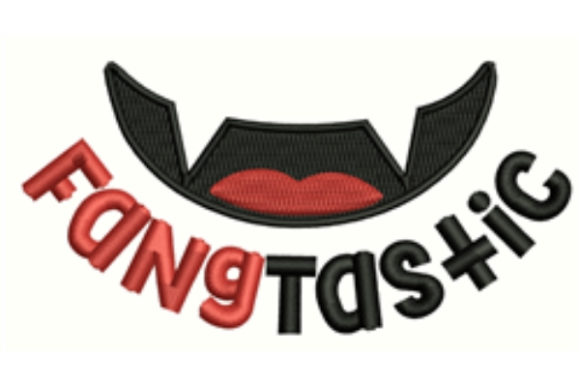
As an embroidery designer who has reviewed hundreds of machine embroidery designs for small business merchandise, I approach every new embroidery file with a critical eye. When I first opened Fangtastic, I was immediately struck by its playful personality. The title suggests a lighthearted, slightly spooky vibe, and the description promises a high-quality embroidery design ready to sew onto fabric. For small business owners, apparel decorators, and handmade brands looking to add a memorable touch to their custom apparel, this design offers a distinct mix of fun and professionalism. But does it hold up under the demands of real commercial embroidery? Let me walk you through my full review.
First Impressions: Playful, Bold, and Business-Ready
The first thing I notice about Fangtastic is its approachable energy. This is not a dense, intimidating design meant for formal uniforms. Instead, it carries a friendly, almost whimsical character that feels perfect for creative studios, pet brands, bakeries, and boutique shops. The design name itself hints at a Halloween theme, but the application potential goes far beyond seasonal decor. When I evaluate a machine embroidery design for commercial use, I look for versatility. Fangtastic delivers that balance between thematic charm and everyday wearability. It reads as both a decorative accent and a confident brand mark, making it a strong candidate for small business merch that needs to stand out without screaming for attention.
Real Business Use Cases for Fangtastic
In my experience, the best embroidery files are the ones that translate seamlessly across multiple product types. Fangtastic has that quality. Here are the real-world applications I see working well for this design:
- Embroidered patches: This design is a natural fit for patches. Whether you sew it onto aprons for a local café or attach it to tote bags for a handmade soap brand, the design holds its shape and reads clearly at a distance. For patch production, I recommend testing the design at your target size to ensure the lettering and details remain crisp.
- Staff uniforms and aprons: For a small business that wants a cohesive look, adding Fangtastic to apron embroidery or chest logo placement on work shirts adds instant personality. It works especially well for boutique retail, florist shops, and creative studios where the brand voice is playful and inviting.
- Cap embroidery: Cap fronts are notoriously tricky for dense designs. Fangtastic has a moderate stitch density that should work on structured caps, but I always advise testing on a sample cap first. The design's bold elements help it read well on curved surfaces, provided the hoop size is appropriate.
- Tote bag design: Tote bags are a staple of handmade product lines. Embroidering Fangtastic onto a canvas tote gives customers a functional item that doubles as a walking advertisement. The design's playful tone matches the casual feel of a reusable bag.
- Product packaging accents: For Etsy sellers and craft business owners, this design can be used as a small embroidered label stitched into product packaging. It adds a handmade touch that builds customer trust and recognition.
- Event merchandise: If you are creating limited-run merch for a seasonal event or pop-up, Fangtastic offers a design that feels exclusive without being overly niche. It works for Halloween markets, fall festivals, or any brand with a fun identity.
Where to Use Fangtastic with Care
No design is perfect for every application. I have seen too many small business owners fall in love with a digital embroidery file only to discover it does not perform well in certain scenarios. Fangtastic has a few areas that require attention:
- Small patch sizes: If you plan to use this design as a tiny accent on a collar or sleeve, test it first. Very small embroidery can lose detail, especially if the design includes fine lettering or thin outlines. I recommend reviewing the design at your intended patch size before committing to production.
- Cap fronts and curved surfaces: Cap embroidery demands low stitch density and simple shapes. While Fangtastic is not overly complex, I still suggest a test run on a cap to ensure the design does not pucker or distort. Use a proper stabilizer and check the hoop size compatibility.
- High stitch density areas: Some embroidery designs pack too many stitches into a small space, causing fabric to pucker or thread to break. Review the stitch density of Fangtastic before stitching on lightweight or textured fabric. If the density is high, consider using a heavier stabilizer or increasing the design size slightly.
- Dark uniforms and fabrics: If you are stitching onto dark fabric, pay close attention to thread color contrast. The design's playful effect relies on clear visibility. Test a few thread colors to ensure the design pops without losing its friendly character.
- Items that need frequent washing: For aprons, uniforms, or tote bags that will be washed often, the design must hold up. Test a sample through several wash cycles. Use quality thread and proper stabilizer to prevent fraying or shrinkage distortion.
How Fangtastic Shapes Brand Identity
Your choice of embroidery design directly affects how customers perceive your brand. Fangtastic contributes to a brand identity that is approachable, confident, and slightly playful. For a small business, that combination can be powerful. It signals that you do not take yourself too seriously, but you still care about the quality of your finished product. When customers see a well-executed embroidered patch or apron design, it builds trust. They recognize the effort you put into your custom apparel and handmade product. This design also supports visual consistency. If you use Fangtastic across multiple merchandise items—caps, totes, patches, labels—you create a cohesive brand experience that reinforces recognition. For Etsy sellers and craft business owners, that consistency is a huge advantage in a crowded marketplace.
I have also found that designs with a clear personality engage buyers more effectively. A generic logo might be forgotten, but a design like Fangtastic invites conversation. Customers ask about it, comment on it, and remember it. That word-of-mouth is invaluable for small business merch. When you combine strong design assets with quality embroidery, you elevate your product value. People are willing to pay more for a handmade item that feels special. Fangtastic helps you deliver that feeling.
Practical Embroidery Designer Notes Before Production
Before you load this embroidery file into your machine, I have a few practical recommendations based on years of commercial embroidery experience:
- Test in black and white first. Before committing to thread colors, stitch the design in a single color to evaluate the shape, spacing, and overall structure. This test reveals any issues with stitch density or outline clarity without wasting expensive thread.
- Check if it works at small patch size. If you intend to use Fangtastic as a small embroidered patch, produce a sample at your target size. The design should remain readable and balanced. If it loses detail, you may need to enlarge it or simplify the thread colors.
- Review thread color contrast. The design's visual impact depends on color contrast. Test a few combinations on your actual fabric. Light thread on dark fabric and vice versa. Consider how the design will look on your most common uniform or merchandise color.
- Inspect spacing and outlines. Look closely at the spacing between elements. If letters or shapes are too close, they may blend together during stitching. Adjust the design or choose a larger hoop size if needed.
- Confirm hoop size. Make sure the embroidery file fits your available hoop sizes. The last thing you want is to realize mid-production that you need a different frame. Confirm this before you start any commercial run.
- Test on real fabric. Always test on the actual fabric you plan to use. Fabric texture affects how the design sits. A design that works on stiff canvas may behave differently on a soft cap or a stretchy tote bag. Use the appropriate stabilizer for each fabric type.
- Create a printable mockup for client approval. If you are producing this design for a client, create a mockup that shows how Fangtastic will look on their actual product. A printable mockup helps set expectations and reduces the chance of revisions later.
- Compare it beside other design assets. If you have other embroidery files or brand elements, place Fangtastic next to them to ensure visual harmony. Consistency across your design assets strengthens your brand identity.
- Confirm commercial licensing before business use. This is essential. Every digital embroidery file comes with its own license terms. Verify that you are allowed to use the design for commercial embroidery, merchandise sales, or branded product lines. Do not assume. Check the license and keep a record of it.
Final Thoughts on Fangtastic for Small Business Merch
Fangtastic is a strong addition to any small business owner's embroidery library. It offers a playful yet professional look that works across patches, uniforms, caps, tote bags, and product labels. The design's personality helps build brand identity and customer trust, while its versatility makes it a practical choice for custom apparel and handmade product lines. As with any embroidery file, success depends on careful testing, proper stabilizer use, and attention to fabric texture. But if you take the time to refine the application, Fangtastic can become a signature piece in your merchandise lineup. For anyone looking to create merch that feels both fun and polished, this design is worth a close look.