Ally LGBTQIA: A Design Review for Business Merchandise
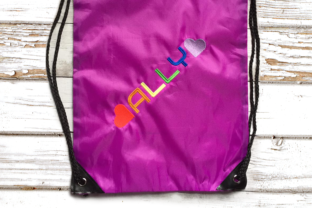
When I first opened the Ally LGBTQIA embroidery file, I immediately recognized its potential for small business merchandise. The design spells out ALLY with a heart at each end, and each letter carries a different color, giving you the flexibility to stitch a rainbow sequence or choose custom brand colors. As an embroidery designer who reviews hundreds of machine embroidery designs each year, I can tell you this one lands in a sweet spot between handmade charm and professional polish. It does not feel overly decorative or fussy, nor does it come across as cold or corporate. Instead, it reads as friendly, intentional, and genuinely supportive. That is a rare combination for a branded patch or apparel accent, especially for small businesses that want to communicate values without shouting.
First Impression: Professional, Friendly, and Bold
The Ally LGBTQIA design presents itself as bold yet approachable. The word ALLY is strong and readable, and the hearts at each end soften the message without weakening the visual impact. The multi-color lettering gives you room to align with rainbow symbolism or to match your own brand palette. That flexibility is a major advantage for a digital embroidery file intended for commercial use. Whether your business runs a cozy neighborhood café, a boutique florist shop, a handmade pet brand, or a creative studio, this design can adapt to your identity. The first impression is that this is not a generic clip-art style patch. It feels like a considered piece of brand identity that can work across caps, aprons, totes, and uniform shirts without looking like an afterthought.
Embroidered Patches for Merchandise and Uniforms
For embroidered patch production, Ally LGBTQIA holds up well because the letter shapes are relatively simple and the hearts add a playful touch without creating excessive complexity. When you digitize this design for a patch, the multi-color element allows you to use separate thread changes that give each letter its own personality. I recommend testing the design on a standard twill or felt base with a merrowed edge if you want a traditional patch look, or a laser-cut edge for a more modern aesthetic. The patch format works beautifully for custom apparel like denim jackets, work shirts, and backpacks, and it can also be sold as a standalone product for customers who want to add their own support to bags or hats.
Apron Embroidery for Cafés and Bakeries
If you run a small café, bakery, or handmade shop, apron embroidery is one of the most effective ways to display your values. The Ally LGBTQIA design sits naturally on an apron bib or pocket area. The horizontal layout of the word fits well within the limited space of an apron front, and the hearts at each end keep the design from feeling too wide. I suggest using a medium hoop size, around 5x7 inches, to give the letters enough breathing room. The thread colors can be adjusted to match your apron fabric, but a rainbow sequence on a neutral apron creates an instant conversation piece that makes your staff feel included and your customers feel welcomed.
Cap Embroidery for Branded Headwear
Cap embroidery presents a unique challenge because the curved surface can distort lettering if the design is too dense or wide. Ally LGBTQIA works on caps if you keep the design size moderate. The word ALLY is short enough to fit across the front panel without wrapping around the sides, and the hearts at each end act as natural visual anchors. Use a 4x4 hoop or a cap frame, and be sure to test the stitch density on a practice cap before committing to a production run. The multi-color aspect adds a premium feel to a cap, making it stand out from a standard single-color logo.
Tote Bag Design for Retail and Promotional Use
For tote bag design, this embroidery file shines because totes offer a flat, generous canvas. A tote bag with a large Ally LGBTQIA design near the center or top edge becomes a walking billboard for your brand values. I recommend using a tear-away stabilizer and a medium-weight cutaway for structured totes. The rainbow color option feels especially vibrant on natural cotton or canvas totes, and the design holds up well to repeated use if the thread quality is good. This is one of the best applications for the design because the tote bag is a product that gets reused, keeping your brand visible over time.
Small Patch Sizes and Tiny Lettering
One of the most common mistakes I see with machine embroidery design files is trying to stitch them too small. Ally LGBTQIA has multiple letters and two hearts, so shrinking it below a certain size will cause the thread to lose definition. I recommend a minimum finished size of about 2.5 to 3 inches wide for the design to retain clarity. If you need a tiny patch for a collar or sleeve accent, consider simplifying the color changes or using a single-color version in a high-contrast thread. Always test the stitch density on your actual fabric before producing in bulk.
Curved Surfaces and Dense Fabric
Curved surfaces like cap fronts or small cylindrical items can cause the design to pull or distort. The hearts at each end may stretch unevenly if the fabric is thick or textured. I advise using a firm stabilizer and a slower machine speed for caps and curved items. For fabric texture like fleece, terry cloth, or heavy canvas, the multi-color lettering may require extra underlay stitches to prevent the thread from sinking into the pile. A test stitch-out on your exact material is non-negotiable.
Items That Need Frequent Washing
For aprons, uniforms, and tote bags that will be washed often, the Ally LGBTQIA design needs proper backing and thread selection. Polyester thread holds color better than rayon in repeated washes, and a cutaway stabilizer provides more durability than a tear-away. If you are stitching for a restaurant or café, make sure the design does not have excessively long jumps that could snag during wear. The hearts at the ends are small enough to avoid this issue, but always check the digitized file for jump stitches.
How Ally LGBTQIA Affects Brand Identity and Customer Trust
Using the Ally LGBTQIA design on your small business merch sends a clear signal about your values. It is not a subtle or hidden message. The word ALLY is direct, and the rainbow color option reinforces the connection to the LGBTQIA community. From a brand identity perspective, this design can help you attract customers who appreciate visible support and inclusivity. A café, boutique, or creative studio that uses this design on staff uniforms, tote bags, or patches is telling customers that they are intentional about creating a welcoming space. This builds customer trust and recognition over time, especially if the design appears consistently across design assets like signage, packaging, and digital content.
However, I would caution that the design must be executed well to maintain professionalism. A poorly digitized or badly stitched version of this design can undermine the message. Loose threads, uneven lettering, or color bleeding will make the finished product look sloppy, which reflects negatively on the business. Spend the extra time on setup, test stitches, and stabilizer selection. The product value of your merchandise increases when the embroidery is crisp and vibrant, and customers will notice the difference.
Practical Embroidery Designer Notes for Production
Before you produce Ally LGBTQIA on any item, follow these steps that I use with every embroidery file I review for commercial use.
- Test it in black and white first. Stitch the design using a single neutral thread color. This shows you the shape, spacing, and density without the distraction of color. You can see if the hearts at each end are too small or if the lettering needs adjustment.
- Check if it works at small patch size. Reduce the design to 2.5 inches wide and stitch it on a scrap of your target fabric. If the detail is lost, increase the size or simplify the design.
- Review thread color contrast. The multi-color letters need to stand out against the fabric. Test your chosen rainbow or brand colors on the actual fabric under good lighting. Low contrast can make the design look muddy.
- Inspect spacing between letters. The word ALLY should have even spacing that does not crowd the hearts. If the hearts touch the letters, the design may look cluttered at small sizes.
- Confirm hoop size. This design fits comfortably in a 5x7 hoop, but check your specific file dimensions. A 4x4 hoop may work for a smaller version if the design is scaled down appropriately.
- Test on real fabric. Always stitch a sample on the exact material you plan to use. Fabric thickness, weave, and stretch all affect the final result.
- Use proper stabilizer. For woven fabrics, use a medium-weight cutaway. For knits or stretchy fabrics, use a tear-away or a combination stabilizer. The multi-color thread changes require a stable base to prevent puckering.
- Create a mockup for client approval. Use a printable mockup or a digital mockup to show the design on a cap, apron, or tote bag before stitching. This reduces the risk of miscommunication and builds confidence in the finished product.
- Compare it beside other design assets. Place the Ally LGBTQIA design next to your existing logo, patch designs, and branded elements. Ensure the visual style and scale are consistent. This design can stand alone or complement other elements.
- Confirm commercial licensing before business use. Always check the license terms of the digital embroidery file to verify that commercial use is allowed. Some designers restrict the number of items you can produce or require a commercial license fee. Do not assume that a file purchased for personal use covers commercial embroidery production.
Final Thoughts on Ally LGBTQIA for Small Business Merch
After reviewing the Ally LGBTQIA design, I can confidently recommend it for small business merch, branded patches, and custom apparel projects. It offers a strong visual message, flexible color options, and a friendly aesthetic that fits a wide range of businesses. The design performs well on patches, aprons, caps, tote bags, and uniform shirts when digitized and stitched with care. Pay attention to size, stabilizer, thread contrast, and licensing, and you will have a handmade product that reinforces your brand identity and connects with your community. This is not a design that fades into the background. It is a statement piece that, when executed well, adds real value to your merchandise and builds trust with every customer who sees it.